


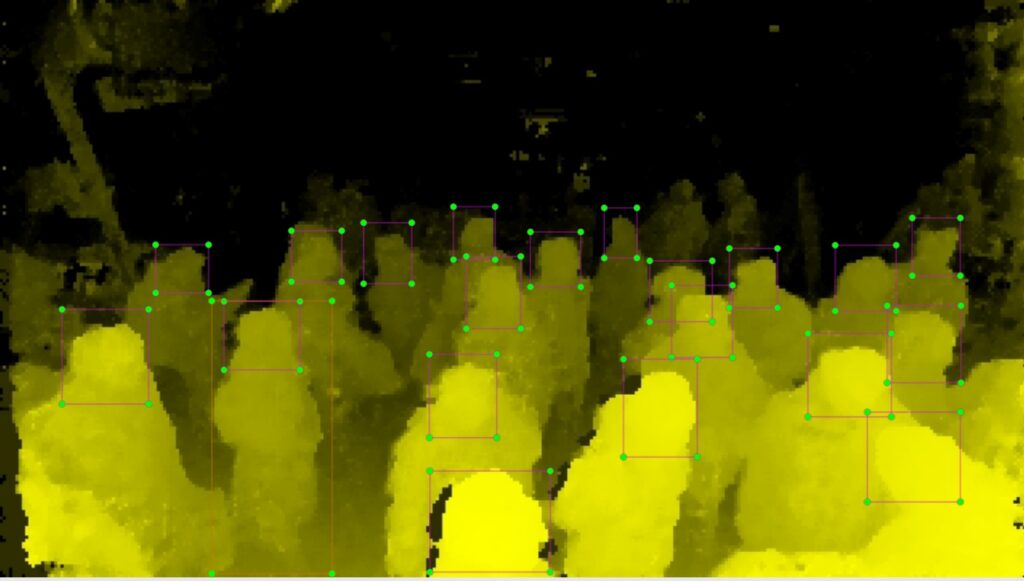
プライバシーに配慮
ご利用のセンサーは、この 状況の人数を数えられますか?
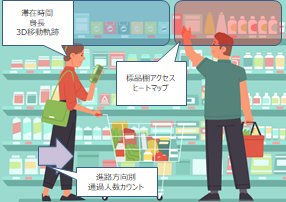
Retail behavior analysis
By analyzing the data collected with the Smart Sensor, customer behavior in front of store shelves can be visualized. It can track customer movements in 3D space, count the number of people entering through virtual gates, and detect which shelves customers reach for. This helps in understanding the duration of stay in specific areas and provides insight into customer behavior, such as how they become interested in products and when they decide to make a purchase. This data can improve store layout, better meet customer needs, and enhance customer satisfaction by optimizing service. Suspicious or dangerous postures of customers can also be detected. ■Shelf access count ■Stopped time measurement ■Person tracking, movement path, and height (3D tracking) ■Unauthorized entry detection in restricted areas ■Counting the number of people passing through or entering/leaving a space ■Detection of suspicious postures or falls Contributes to increased sales, improved customer satisfaction, and improved safety.

Workspace behavior analysis
By analyzing data collected with the Smart Sensor, the behavior of workers in the workspace can be visualized. This allows optimization of workspace layout to improve efficiency and safety by analyzing how workers move and what postures they work in. The spatial sensor function can also monitor entry into dangerous areas and ensure safety around work robots. ■Obstacle detection: Notifies if objects or people are in the path of equipment or AGVs ■Counting the number of people passing through virtual gates. ■Detecting and notifying when someone has collapsed in the facility. ■Counting the number of people present or passing through a space. ■Non-contact operation of devices using spatial sensors. ■3D worker behavior tracking. Contributes to improved safety, productivity, and quality.
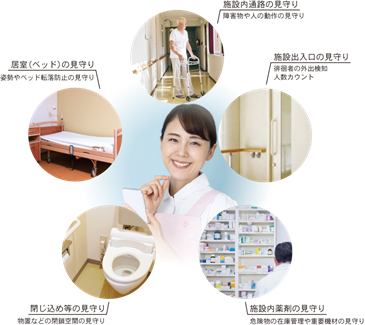
Nursing care monitoring and caregiver behavior analysis
By analyzing the data collected with the Smart Sensor, both the behavior of caregivers and care receivers can be visualized. Optimizing the care environment layout can improve efficiency and safety by analyzing how caregivers move and in what postures they work. The spatial sensor function also enables real-time detection of care recipients getting out of bed, entering or leaving rooms, or becoming trapped in the restroom. Alerts are triggered when someone falls or enters dangerous areas. ■Bed exit detection ■Wandering detection ■Fall detection in corridors or facilities ■Posture monitoring in bed (lying down, sitting up, standing, etc.) ■Fall detection in restrooms ■Call assistance via spatial sensors ■Person counting and tracking Contributes to safe and secure caregiving and helps alleviate staff shortages.
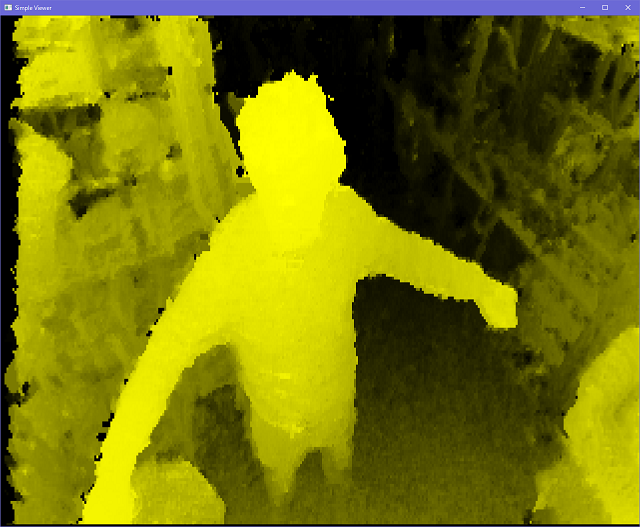
Crowd detection in elevators and waiting areas Counts the number of people in special spaces like elevators while respecting privacy, making it suitable for public spaces. Heatmap of movement paths Generates a heatmap of people’s movement paths within a specific space, with privacy considerations for public use. • Suspicious person detection Detects people exhibiting suspicious behavior in specific spaces. RGB images can also be used for security purposes. contributes to building a safe and secure social environment.
様々な場面でシーンで利用可能です。
Care facilities Not only monitors behaviors like bed exits, wandering, and falls but also analyzes the actions of care staff to improve efficiency. Medical facilities Monitors patient movements and fall risks in bed. Personal care Monitors distant family members through the internet while respecting privacy. Factories Analyzes worker behavior, confirms safety, and detects entry into hazardous areas. Commercial facilities Analyzes crowd behavior, creates 3D heatmaps, and supports store layout planning based on customer behavior analysis. Entertainment/Gaming Uses spatial sensors for interactive digital content development based on person tracking.